

RF SPIN Antenna Lens Granted US Patent
More gain out of the same horn. We designed the lens, we print it, and we measure the result in our own chamber, from 740 MHz to 53 GHz.
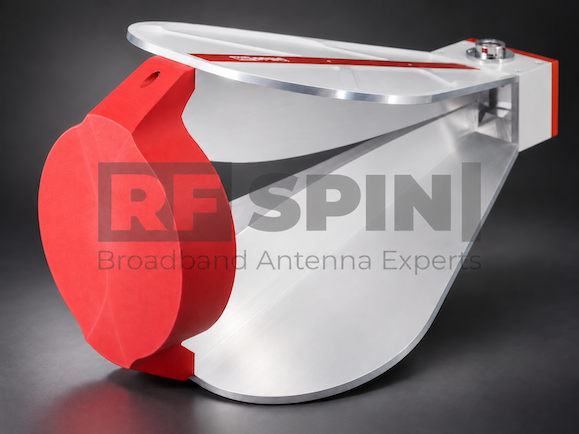
The United States Patent and Trademark Office granted us patent no. 12,665,315 on June 23, 2026, covering our antenna lens. The patent names four people from our team: Zdeněk Hradecký, Štěpán Bosák, Tomáš Lonský and Pavel Hamouz.
How the lens works
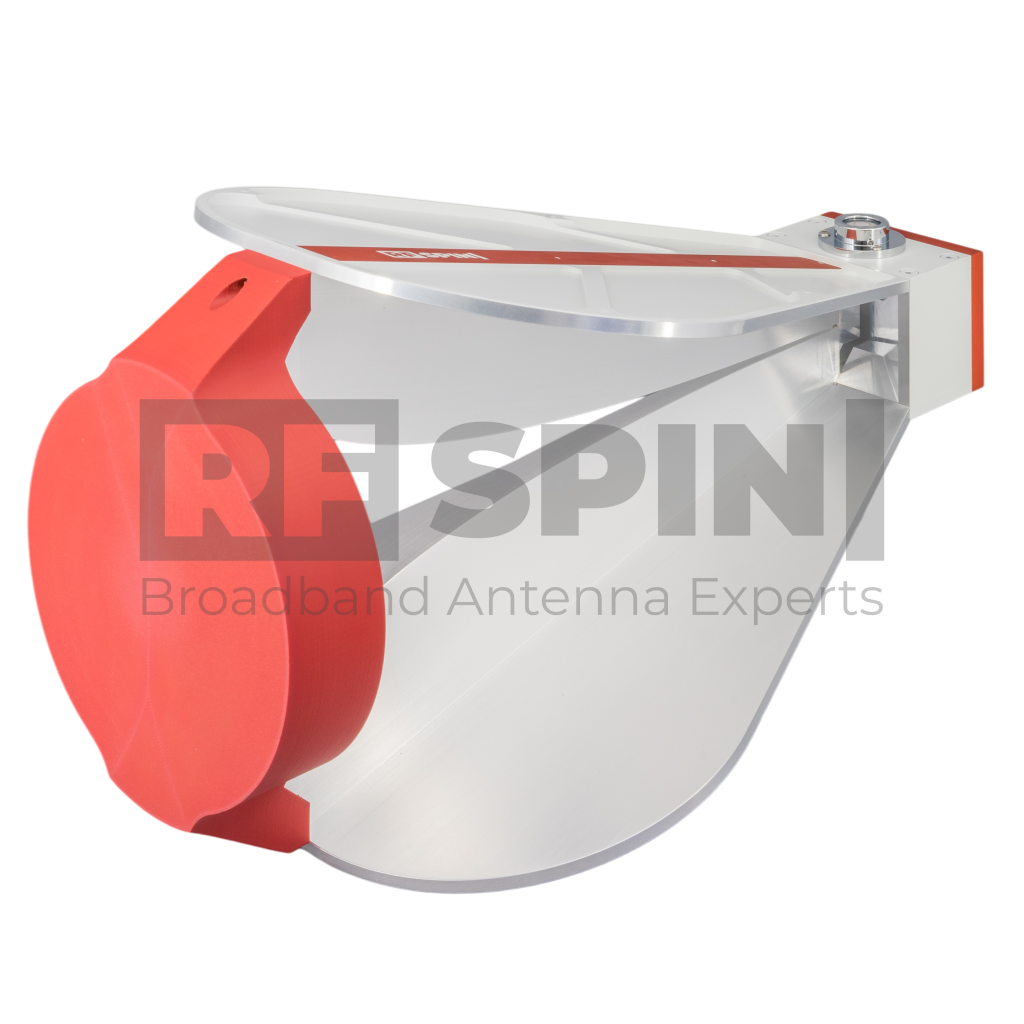
The lens is 3D printed, and its internal structure changes from the outer edge toward the centre. That is what focuses the incoming wave instead of letting it spread, so the gain rises and the matching improves with it.
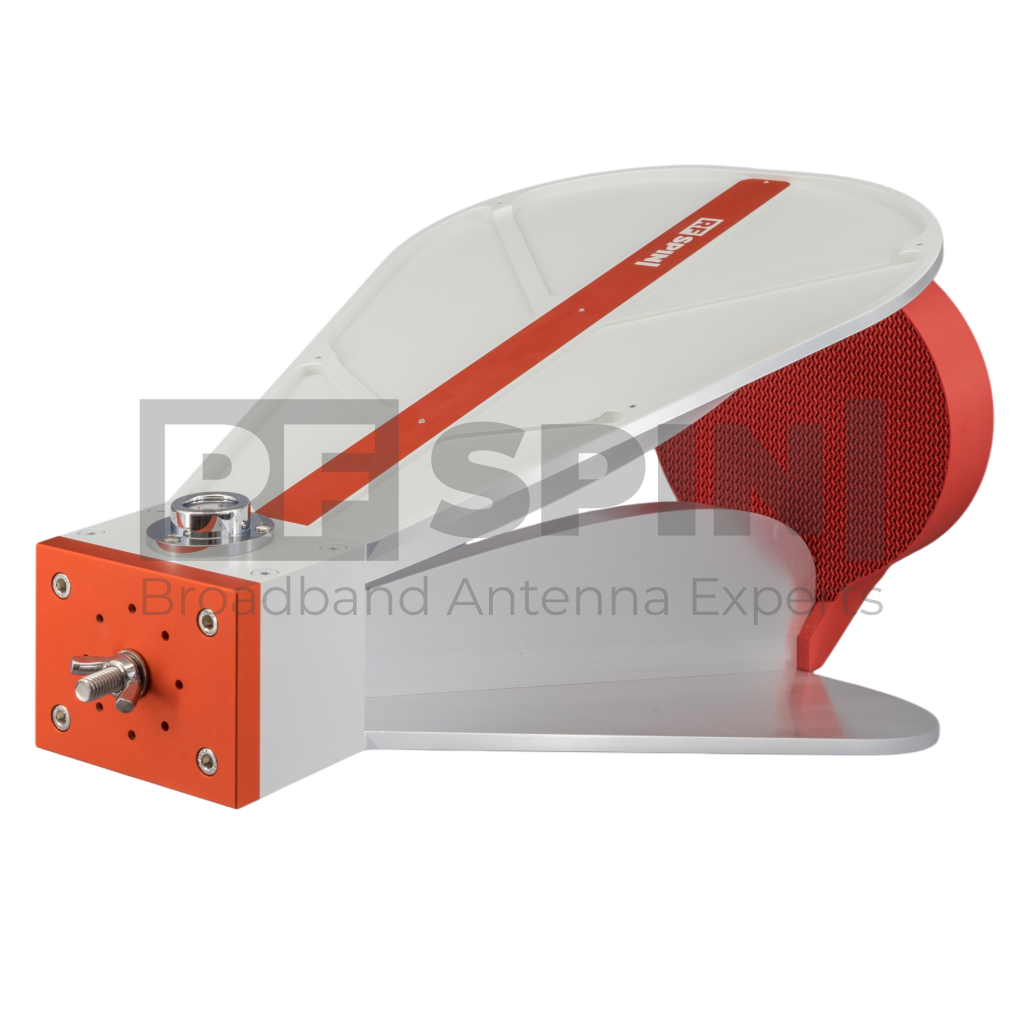
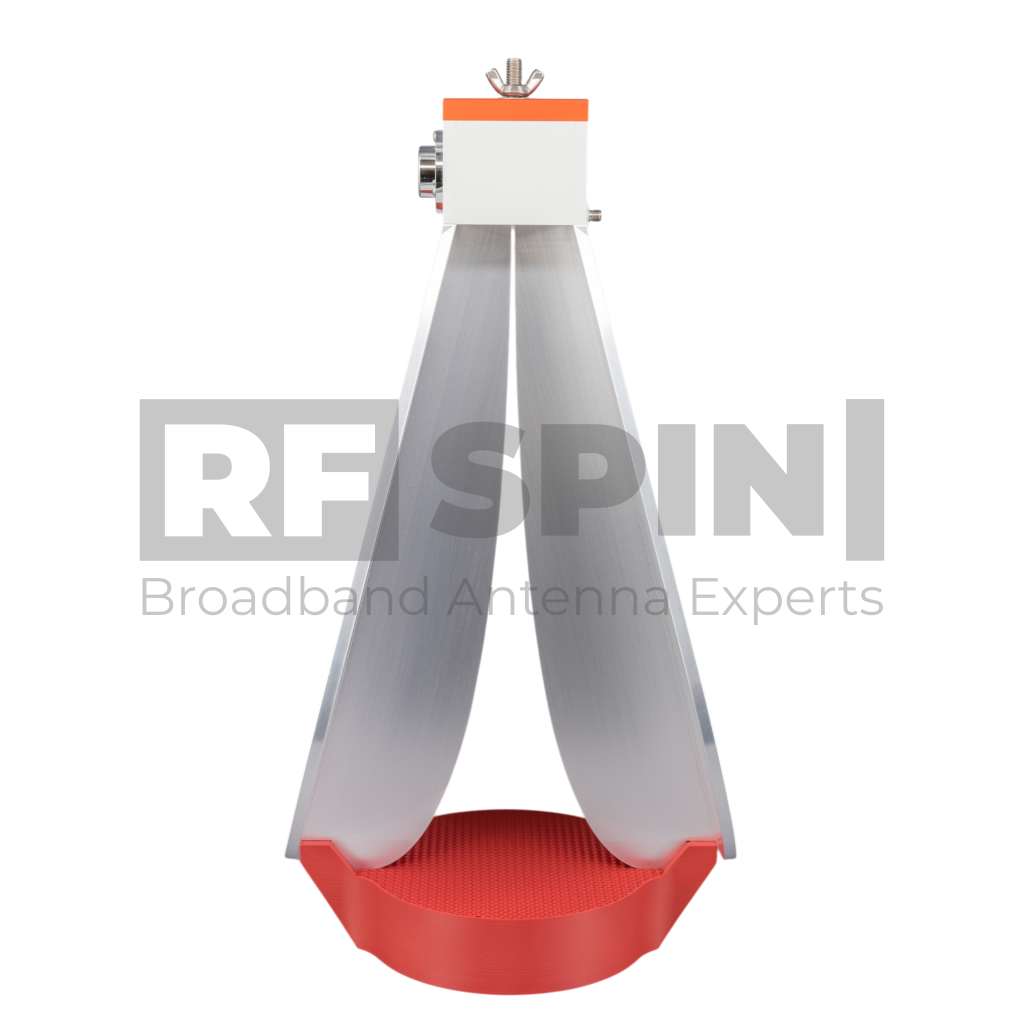
Cutouts follow the ridges of the horn, so the lens seats onto the antenna and shares its aperture. It adds about a fifth to the length. Reaching the same gain the conventional way would mean a whole larger antenna.
Built for the bench and the field
We print the outer surface solid, so the structure inside stays sealed. Dirt and moisture have nowhere to work their way in, and the edges take repeated handling on the bench. The material resists UV and weather, so the lens can go outdoors inside a radome.
The patent documents the lens working on antennas across 740 MHz to 11 GHz, 4 to 40 GHz and 9 to 53 GHz.
The lens ships across our range, single and dual polarized. Two of them travel to European Microwave Week in London on October 6 to 8.
More news

RFspin Calibration Laboratory Is Now ISO/IEC 17025 Accredited
We now also offer accredited calibration of antennas of any make, 500 MHz to 40 GHz, with certificates recognized under the ILAC MRA.

New antennas at EuMW 2026 in London
One horn from 1 to 67 GHz, two lens antennas built for outdoor use, an open-aperture quad-ridged horn and a horn for the new automotive EMC standards.

Visit Us at European Microwave Week 2026
Find us at stand B25C at ExCeL London, October 4 to 9. We bring the DRHX67, QRH43 and other new models, reaching up to 67 GHz.
Max. twice a month. Your details stay with RF SPIN. Unsubscribe with one click.